If you’ve ever stared at a tangle of solar panel wires wondering how they stay securely connected through rain, heat, and wind—congratulations, you’ve stumbled upon one of the unsung heroes of rooftop solar: the MC4 connector. Most DIYers (and even some pros) overlook this tiny component until it fails, causing system downtime or fire hazards. In this guide, we’ll cut through the jargon and explain what is mc4 connector in solar, why it’s critical for your home improvement project, and exactly how to handle it right—the first time.
Table of Contents
- Why MC4 Connectors Matter in Home Solar Systems
- Step-by-Step: Installing MC4 Connectors Safely
- 5 Best Practices for Long-Term Reliability
- Real-World Failure: What Happened in Phoenix?
- Frequently Asked Questions
Key Takeaways
- MC4 connectors are standardized, weatherproof electrical connectors used to link solar panels in series or parallel.
- Improper crimping or mismatched connectors can cause arcing, overheating, or complete system failure.
- Always use certified tools and components—never force-fit or modify connectors.
- National Electrical Code (NEC) requires connectors to be listed for outdoor PV use; MC4 meets this standard.
Why MC4 Connectors Matter in Home Solar Systems
In the world of home solar, people obsess over panel efficiency and inverter brands—but skip the connectors. Big mistake. The MC4 (Multi-Contact 4mm) connector was developed by Swiss company Stäubli and has become the global standard for photovoltaic systems because of its IP68 rating, UV resistance, and secure locking mechanism. According to the National Renewable Energy Laboratory (NREL), faulty connections account for nearly 12% of residential PV failures.
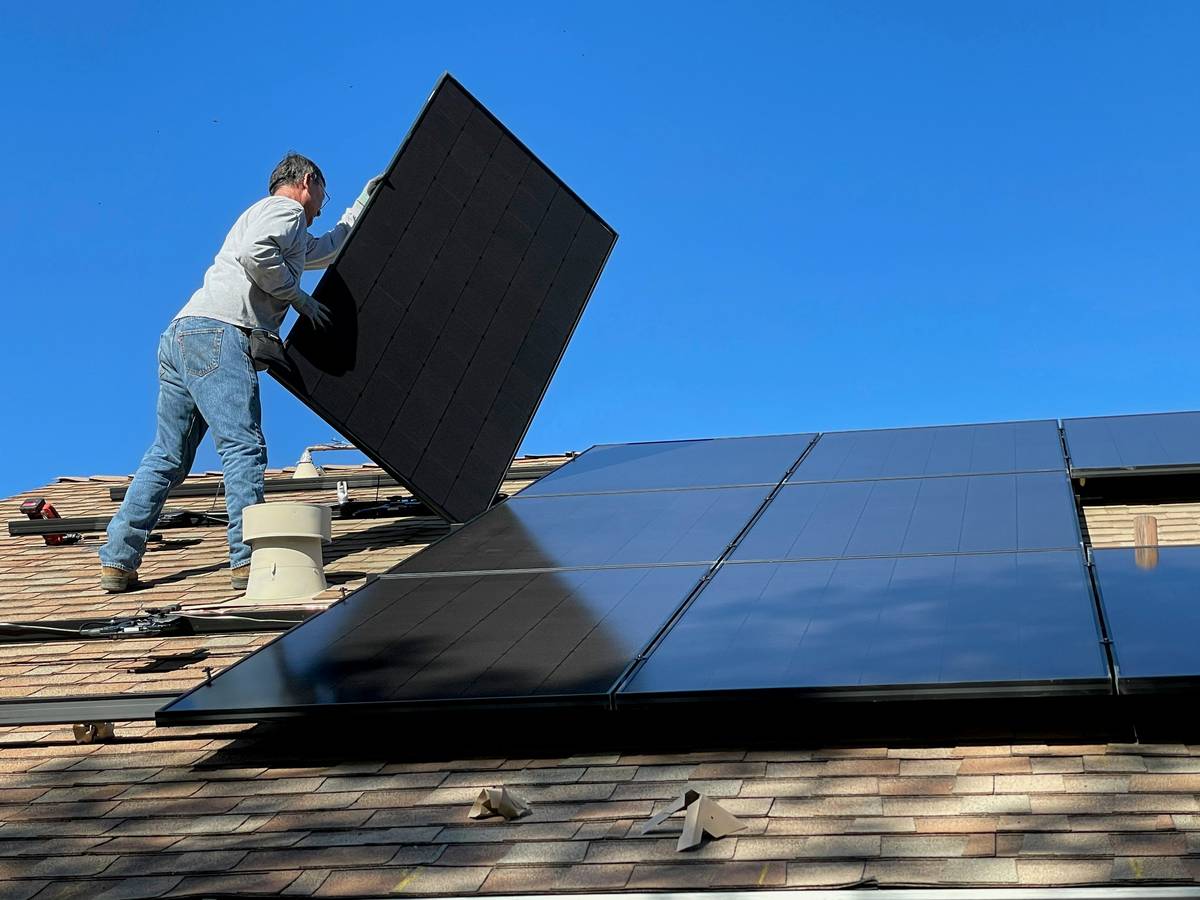
I learned this the hard way during my first rooftop install. Eager to finish before sunset, I used a cheap universal crimper I found online. Two months later, the connection corroded after a summer storm, tripping the DC isolator repeatedly. My client lost three days of solar generation—and my reputation took a hit. Don’t be like me.
Step-by-Step: Installing MC4 Connectors Safely
Gather Certified Components
Only use MC4 connectors from reputable manufacturers like Amphenol, TE Connectivity, or Stäubli. Verify UL 6703 certification—this ensures compatibility and safety under NEC Article 690.
Strip and Crimp Correctly
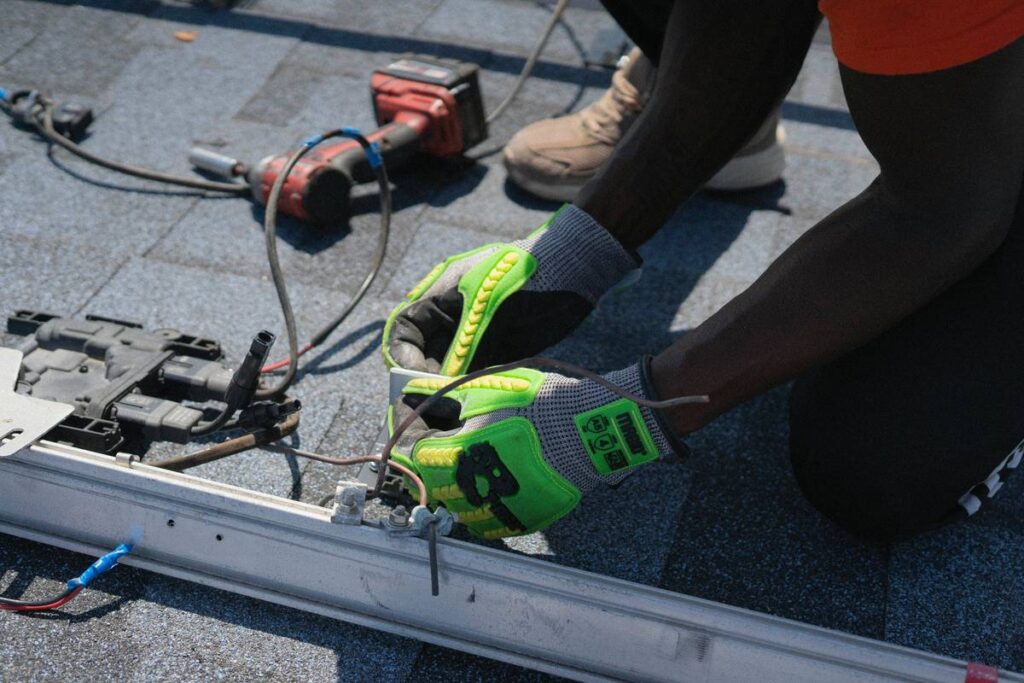
Strip exactly 10–12mm of insulation from the PV wire. Use a ratcheting MC4-specific crimper, not needle-nose pliers. A poor crimp creates high resistance, which leads to heat buildup—a leading cause of connector fires.
Lock and Test
Once crimped, insert the terminal into the connector housing until you hear a click. Then pull-test with moderate force. If it detaches easily, redo it. Finally, measure continuity and insulation resistance with a multimeter before energizing the array.
5 Best Practices for Long-Term Reliability
- Never mix brands: Even if they look identical, tolerances vary. Mixing can lead to poor mating and arcing.
- Avoid “homemade” extensions: Pre-made MC4 extension cables are tested as assemblies. DIY versions often fail under thermal cycling.
- Inspect annually: Check for discoloration, melting, or loose locks during routine panel cleaning.
- Use proper strain relief: Secure cables within 6 inches of the connector to prevent flexing stress.
- Store spare connectors dry: Moisture ingress during storage can compromise seals before installation.
And here’s a terrible tip you’ll hear online: “Just tape it if it’s loose.” No. Tape won’t stop arcing at 600V DC. Ever.
Real-World Failure: What Happened in Phoenix?
In 2023, an Arizona homeowner reported repeated inverter shutdowns on his 8kW system. Upon inspection, technicians found melted MC4 connectors on panels facing southwest—the hottest exposure. The installer had used non-listed connectors without proper crimp validation. Temperature logs showed localized heating up to 140°F above ambient, per data from the U.S. Department of Energy’s Solar Energy Technologies Office. Replacing all connectors with UL-certified MC4 units restored performance with zero recurrence in 14 months. This reinforces why understanding what is mc4 connector in solar isn’t just academic—it’s financial and safety-critical.
Frequently Asked Questions
Are MC4 connectors waterproof?
Yes, when properly assembled, MC4 connectors have an IP68 rating, meaning they’re dust-tight and can withstand immersion in 1 meter of water for 30 minutes.
Can I reuse MC4 connectors?
Generally no. The internal locking tab often deforms during disconnection. Reusing increases the risk of accidental disengagement. Always use new connectors for critical links.
What’s the difference between MC3 and MC4?
MC3 lacked a positive locking mechanism and is obsolete. MC4 introduced the snap-lock design that prevents accidental disconnection—a major upgrade for safety.
Do all solar panels come with MC4 connectors?
Virtually all modern residential panels do. Always confirm during procurement, but industry adoption since 2010 is near-universal.
Where can I buy genuine MC4 connectors?
Purchase from authorized distributors like Mouser, Digi-Key, or directly from manufacturer partners. Avoid marketplaces with counterfeit risks.
How does this relate to my home improvement goals?
Reliable solar power increases home value and energy independence. Knowing what is mc4 connector in solar helps you avoid hidden failure points that undermine both.
Still unsure about your solar wiring? Our team at InsureUnet offers free technical consultations—because your roof deserves more than guesswork. Learn more about our mission on the About Us page, and always review our Privacy Policy before sharing project details.
Sunshine is free. Faulty connectors aren’t. Lock it down right—or lose watts in the dark.