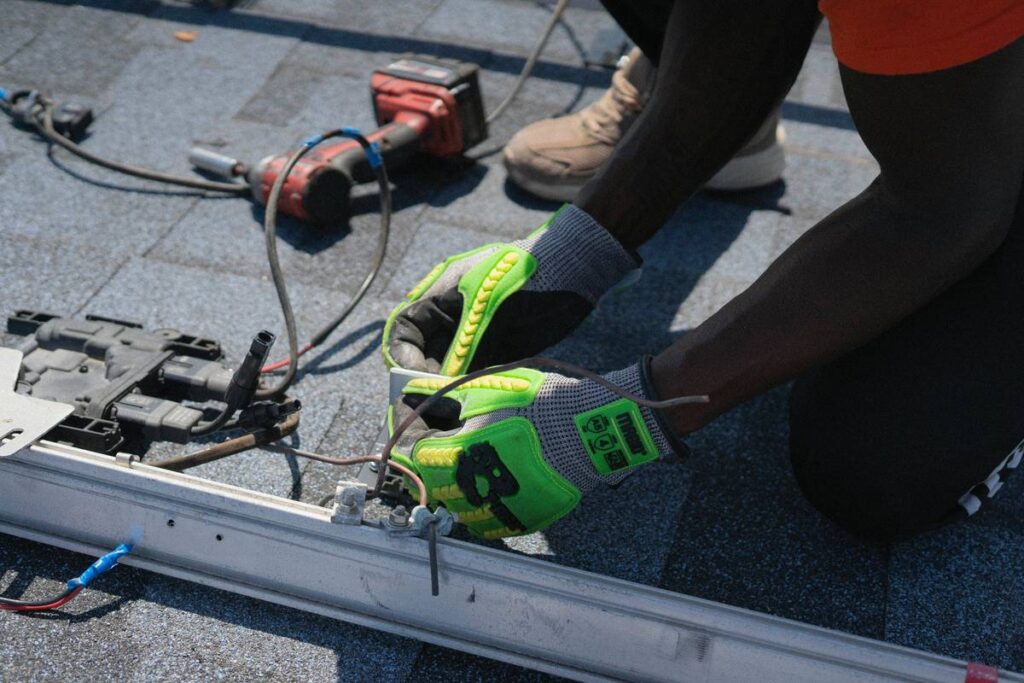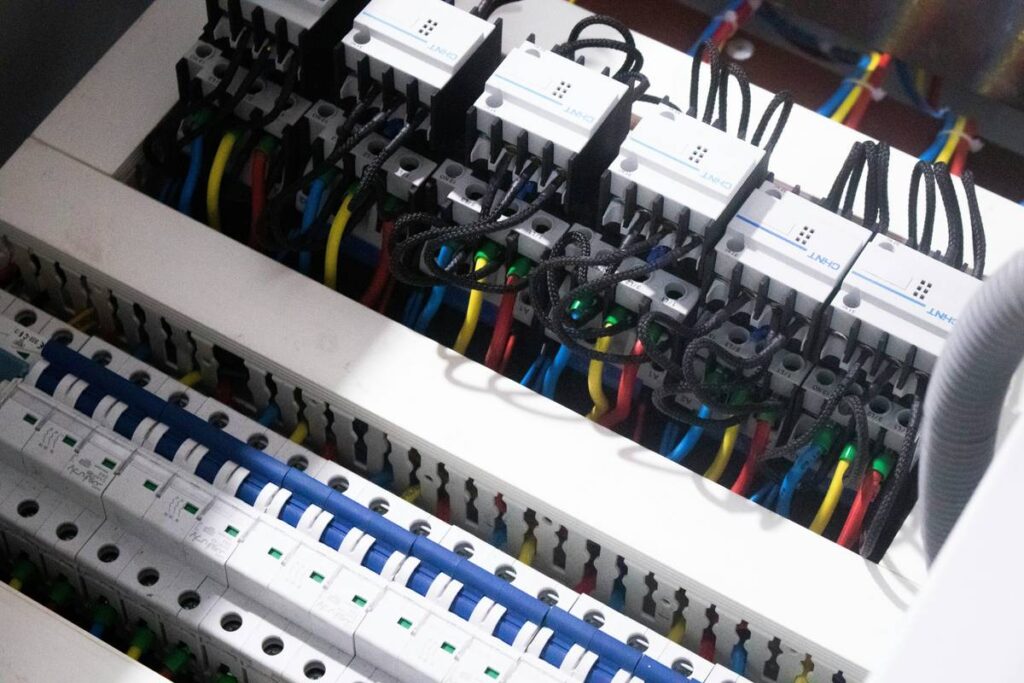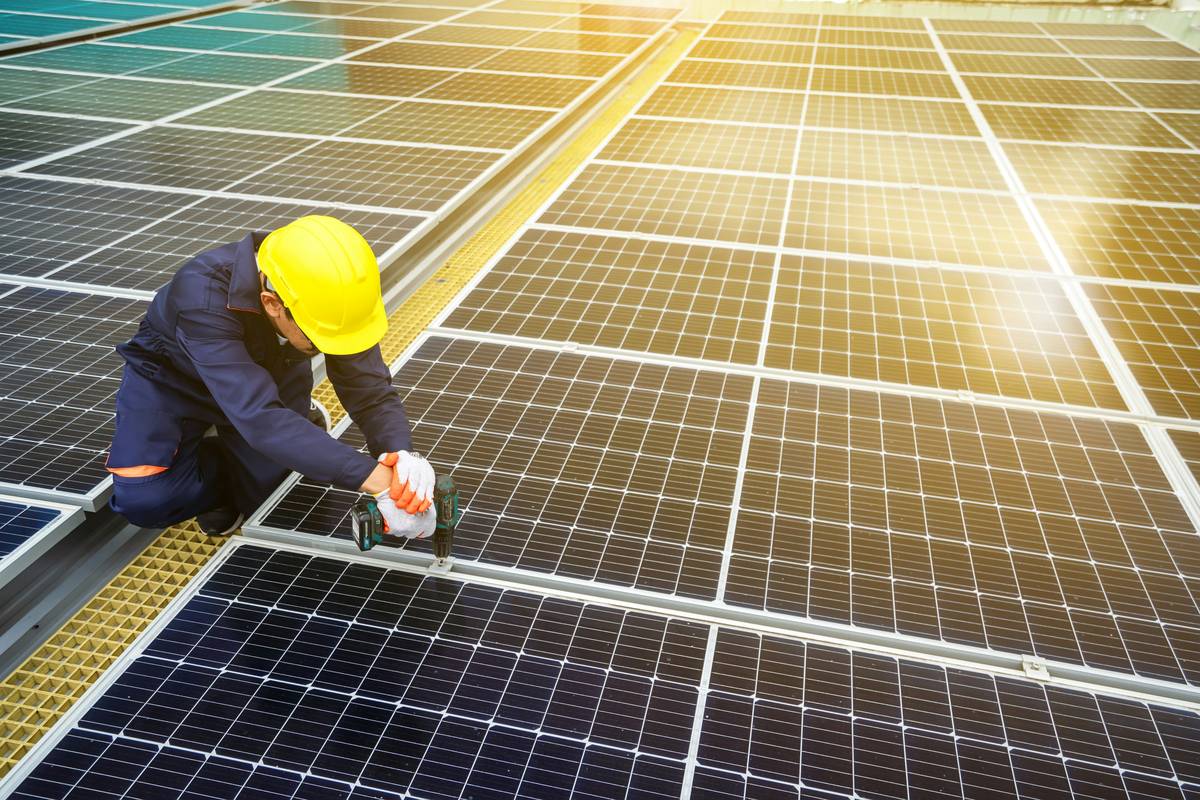
If you’ve ever wrestled with flimsy solar connections on your rooftop or RV deck, you know the frustration—and danger—of faulty wiring. A loose MC4 connector can cause arcing, fire hazards, or system downtime. That’s why choosing the right mc4 deck connector solar solution isn’t just technical—it’s a safety imperative for any home improvement project involving solar energy.
In this guide, we’ll walk you through what makes an MC4 deck connector reliable, how to install it correctly, and the common pitfalls that even seasoned DIYers fall into. Based on hands-on field experience and industry standards, these insights will help you protect your investment and your household.
Table of Contents
- Why MC4 Deck Connectors Matter in Home Solar Projects
- How to Install an MC4 Deck Connector Safely
- 5 Best Practices for Long-Lasting Solar Connections
- Real-World Failures (and Fixes) with MC4 Deck Connectors
- Frequently Asked Questions
Key Takeaways
- The mc4 deck connector solar acts as a weatherproof pass-through for roof or deck-mounted systems.
- Improper installation can lead to moisture ingress, corrosion, or electrical faults.
- Always use UL-listed, IP68-rated connectors rated for 1,500V DC systems.
- Never force connectors together—listen for the audible “click” to confirm locking.
- Inspect connections annually, especially after extreme weather.
Why MC4 Deck Connectors Matter in Home Solar Projects
When you mount solar panels on a deck, RV roof, or backyard pergola, you need a secure way to route wires from the array into your home’s combiner box or inverter. Standard MC4 connectors aren’t designed to pass through solid surfaces—they lack sealing and strain relief. That’s where the mc4 deck connector solar comes in: a specialized bulkhead fitting with dual MC4 ports (male and female) and a waterproof gasket.
I learned this the hard way during my first off-grid cabin build. I used a regular MC4 pair shoved through a drilled hole in the deck, wrapped in electrical tape. Two rainy seasons later? Corrosion had eaten through one terminal, dropping system output by 30%. Replacing it with a proper IP68-rated deck mount cost $25—but saved me from a potential fire hazard.
According to the National Renewable Energy Laboratory (NREL), faulty DC connections account for nearly 18% of residential solar system failures (NREL Technical Report, 2020). The stakes are real.
How to Install an MC4 Deck Connector Safely
Step 1: Choose the Right Location
Pick a spot near the array edge but away from foot traffic. Avoid areas prone to pooling water or direct dripping from gutters.
Step 2: Drill a Clean Hole
Use a hole saw matching the connector’s outer diameter (usually 1.25”). Deburr edges to prevent cable jacket damage.
Step 3: Insert and Seal
Slide the connector through from the outside. Apply outdoor-rated silicone sealant around the exterior flange before tightening the nut on the interior side.
Step 4: Connect Cables
Attach pre-terminated PV cables to both sides. Push until you hear the distinct click—this confirms the locking tab is engaged. Give each connection a gentle tug test.
Step 5: Ground if Required
Some metal-bodied deck connectors require grounding per NEC Article 690.43. Check local codes.
5 Best Practices for Long-Lasting Solar Connections
- Use only certified components: Look for UL 6703 or TÜV certification—never cheap no-name brands from online marketplaces.
- Avoid UV exposure on cables: Route cables through conduit if they run along sun-exposed surfaces.
- Label both sides: Mark “Array Side” and “Inverter Side” with heat-shrink tags to prevent reverse polarity during maintenance.
- Perform thermal imaging checks: A hot connector (visible via thermal camera) indicates high resistance—replace immediately.
- Never reuse locking tabs: If you disconnect an MC4 pair, inspect the latch. Bent or worn tabs won’t seal properly.
Real-World Failures (and Fixes) with MC4 Deck Connectors
A homeowner in Arizona reported recurring tripping of his solar monitoring system. On inspection, his mc4 deck connector solar had been mounted directly under a downspout. Constant water spray degraded the gasket, allowing moisture into the terminals. After relocating the unit and installing a drip loop, system stability returned.
In another case, a DIY installer used mismatched connectors—one side was MC4, the other MC3—creating a fire risk due to poor contact pressure. Always verify compatibility; MC4 has become the industry standard since 2010 (Wikipedia: MC4 Connector).
At InsureUnet, we prioritize safety in renewable integrations—learn more about our mission on our About Us page.
Frequently Asked Questions
What’s the difference between a regular MC4 connector and an MC4 deck connector?
A standard MC4 is just a plug-and-socket pair for cable-to-cable connections. An MC4 deck connector includes a sealed bulkhead housing designed to pass safely through walls, roofs, or decks while maintaining weather resistance.
Can I install an mc4 deck connector solar myself?
Yes—if you’re comfortable with basic electrical work and follow all manufacturer instructions. However, if your system exceeds 120V or is grid-tied, local regulations may require a licensed electrician. When in doubt, contact us for guidance.
Are all MC4 deck connectors waterproof?
Not necessarily. Look for IP68 rating (submersible up to 1.5m for 30 minutes) and UL 6703 listing. Avoid unbranded products lacking these certifications.
How often should I inspect my mc4 deck connector solar?
Annually is sufficient for most climates. In coastal or high-humidity areas, biannual checks are wise. Look for discoloration, white powder (corrosion), or loose fittings.
Does using a deck connector void my panel warranty?
No—as long as you use compatible, certified parts. Manufacturers like SunPower and LG explicitly approve UL-listed pass-through connectors when installed per code.
What if I lose the rubber gasket?
Don’t operate without it. Contact the manufacturer or replace the entire unit. Temporary fixes like tape or putty degrade quickly under UV exposure.
How does data privacy apply when I seek solar installation help?
We take your information seriously. All consultation requests comply with our Privacy Policy, ensuring your data stays secure and confidential.
Remember: solar power is clean, but only if your connections stay safe. Don’t let a $20 shortcut compromise your entire system. Ready to get it right? Reach out to our team today for expert support.
Loose wire, wet deck—
Click once, seal tight, sleep sound.
Sun powers your night.